
The Niche Sports of the UK and Ireland
29th May 2026
You can tell a lot about a place by the sports they enjoy, and all across the UK and Ireland, there are lots of niche, and often fairly extreme, sports. Common themes involve kicking, whacking, and throwing various objects, or even oneself, around the place. We always recommend sampling the local culture during your trip, and a little unexpected sport is a great way to have a truly unique experience.
Shinty
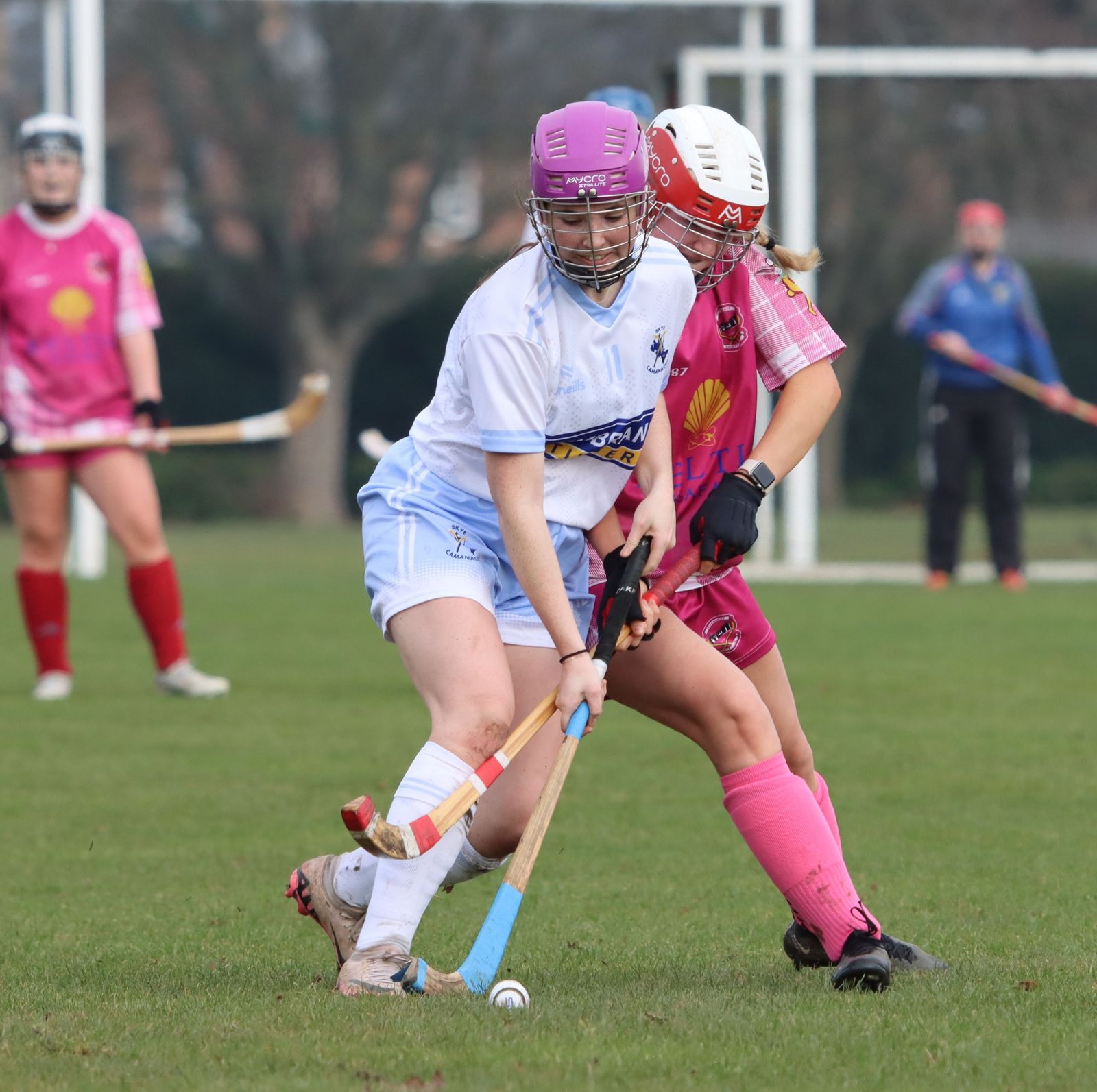
Shinty is a traditional Scottish team sport played mainly in the Highlands region. It is a fast-paced game which involves players using wooden sticks made of Ash called camans to hit a small leather ball into the opposing team’s goal. The Camanachd Cup is the most prestigious trophy in the sport and has been contested since 1896. The tournament brings together the top shinty clubs from across Scotland in a knockout competition. The final is a major event in the shinty calendar, attracting passionate supporters and creating great community spirit.
Hurling
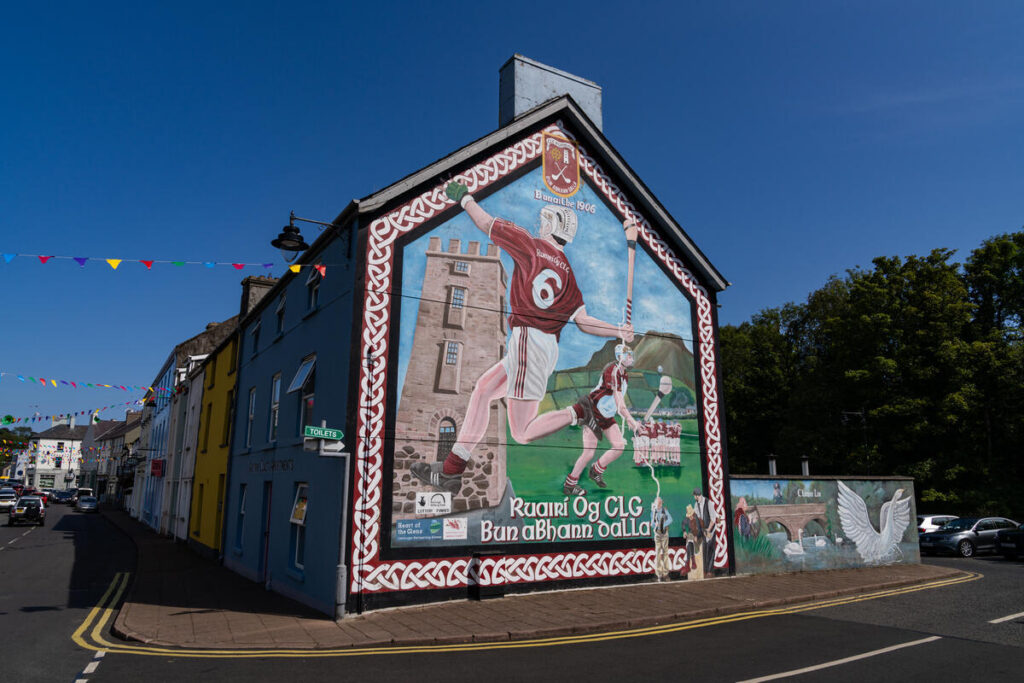
Hurling is one of Ireland’s oldest field sports, with roots stretching back more than 3,000 years. Played with a wider wooden stick called a hurley and a small ball known as a sliotar, the game combines speed, skill, and physicality as teams compete to score points and goals. Governed by the Gaelic Athletic Association, hurling is a major part of Irish culture and is especially popular in counties such as Kilkenny, Cork, and Tipperary.
Hurling and Shinty have similar origins, although they are distinctly different games. The MOWI Shinty-Hurling International sees national teams from Scotland and Ireland play two games head-to-head with composite rules. It’s quite a spectacular watch.
Highland Games
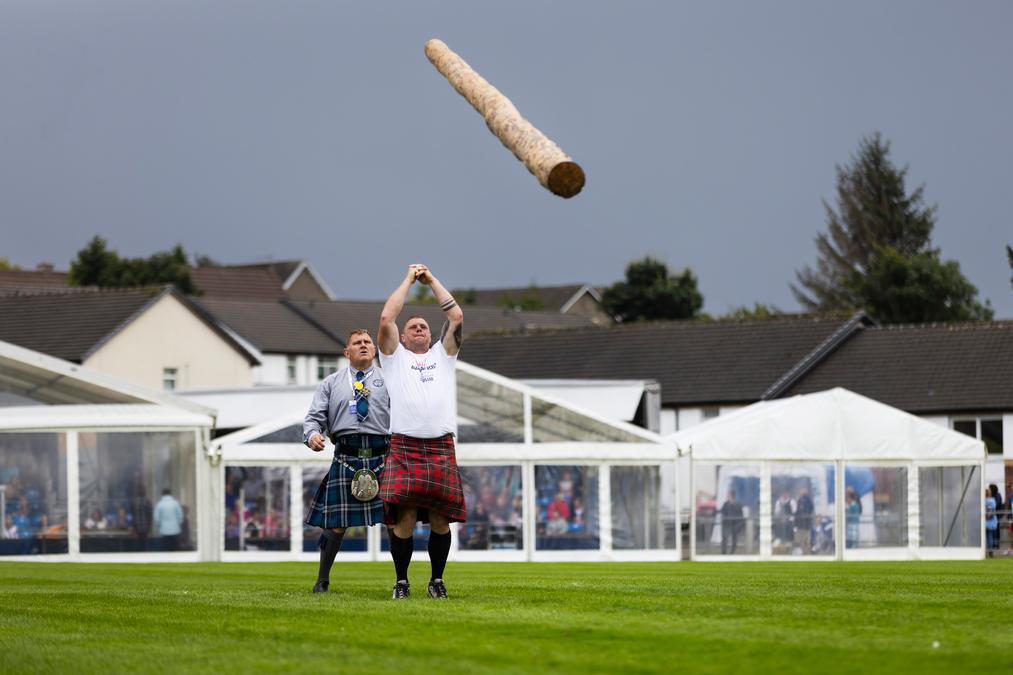
The Highland Games are a centuries-old Scottish tradition that began as contests to test the strength and skill of clan warriors. Over time, they developed into lively community celebrations of Scottish culture, featuring athletic events such as caber tossing and hammer throwing, alongside pipe bands, Highland dancing, and local food and drink. Supported and popularised in the 19th century by Queen Victoria and Prince Albert, the games are now internationally recognised and continue to attract visitors from around the world. The Royal Family still visit the Braemar Gathering every year. You can read our guide to the Highland Games here
Curling

Curling originated in Scotland back in the early 1500s or earlier, where games were played with stones on frozen lochs in winter. Early players used simple stones found in rivers, but over time, these developed into the polished granite curling stones used today. Modern curling stones are carefully crafted from granite sourced from Ailsa Craig, an island of rock whose stone is prized for its density, strength and resistance to cracking from collisions on freezing ice. You can take a cruise out to Ailsa Craig, which is a haven for rare seabirds like kittiwakes, fulmars and puffins, to name a few.
Gaelic Football
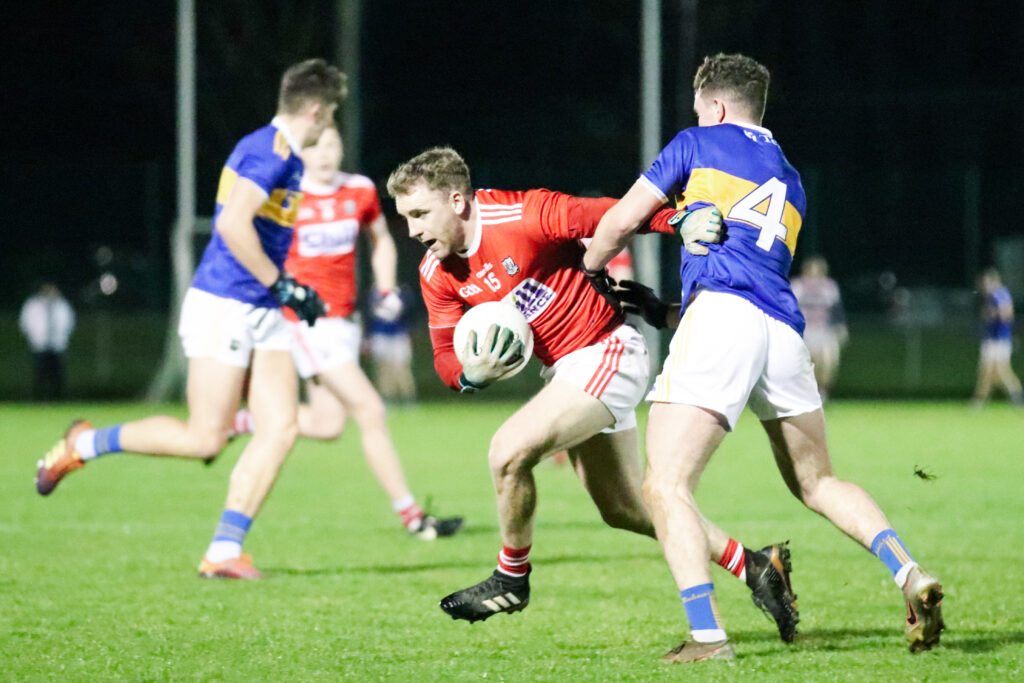
Gaelic football is another traditional Irish sport. Teams score by kicking or punching the ball into goals or over a crossbar for points. Governed by the Gaelic Athletic Association, Gaelic football is one of Ireland’s most popular sports and is enjoyed and played by many in the USA. It is a completely unique sport and is more like a hybrid of football (soccer), rugby and basketball.
Stone Skimming
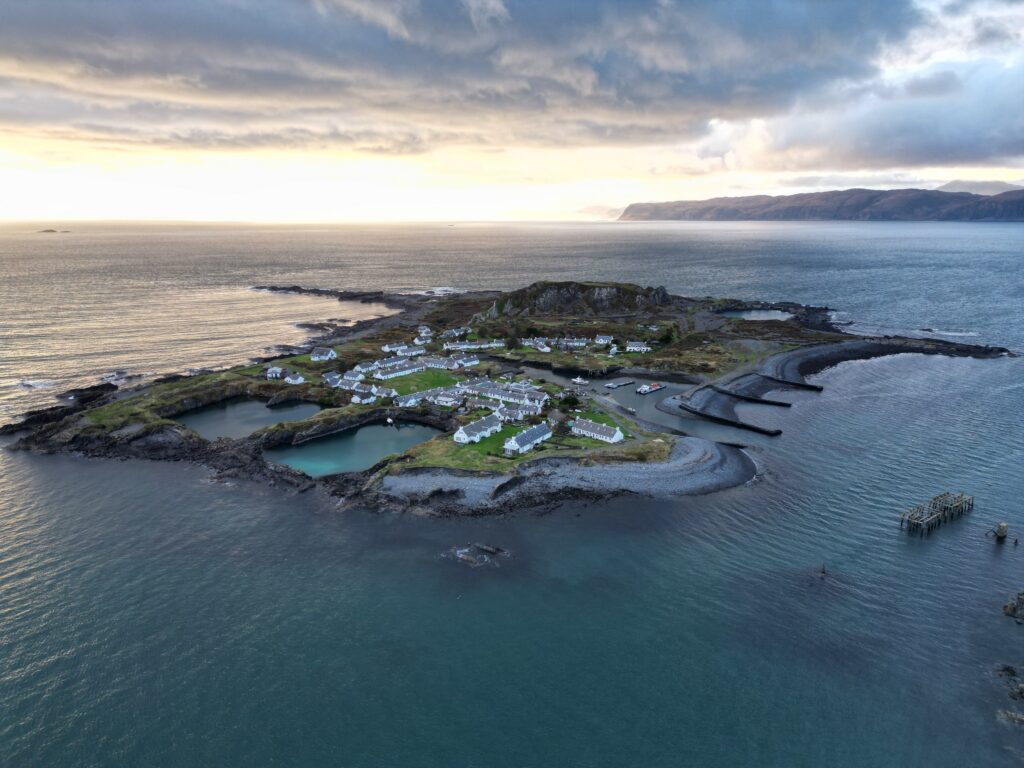
The World Stone Skimming Championships takes place each year on the island of Easdale, on the West Coast of Scotland, and celebrates the art of stone skimming. Competitors attempt to throw flat stones across water to achieve the greatest number of skips. The event attracts visitors from around the world and uses traditional Easdale slate stones, which are famous for their smooth, flat shape and excellent skimming qualities. The event takes a popular pastime and turns it into a skilful competition.
Cheese rolling
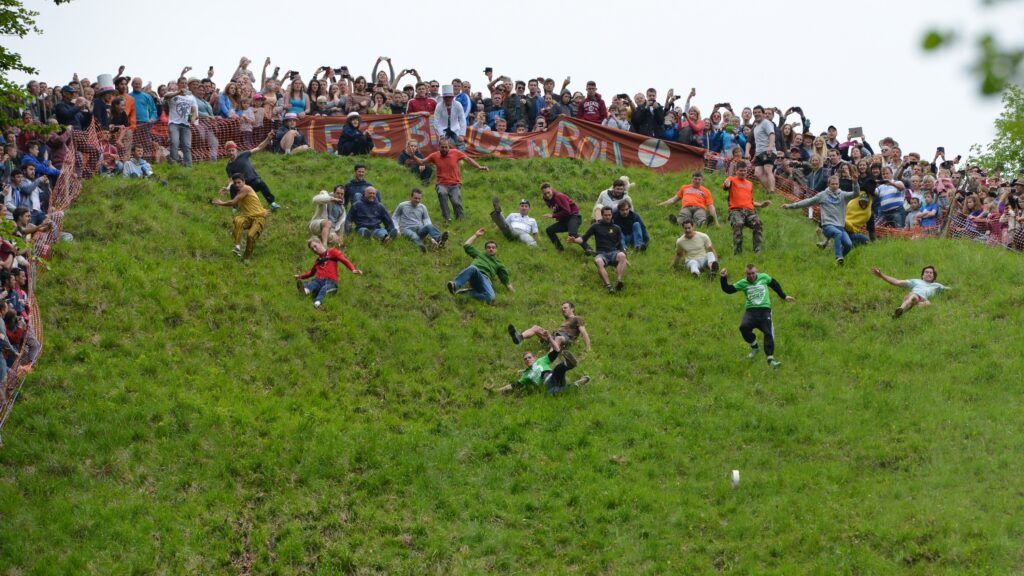
Cooper’s Hill Cheese-Rolling is a famous and chaotic event held each spring near Gloucester. Participants race down the steep slope of Cooper’s Hill chasing a rolling wheel of Double Gloucester cheese, often tumbling, falling, and injuring themselves as they try to keep up. The first person to reach the bottom wins the cheese, and the event is known worldwide for its bonkers atmosphere and joyous spectacle.
Rugby
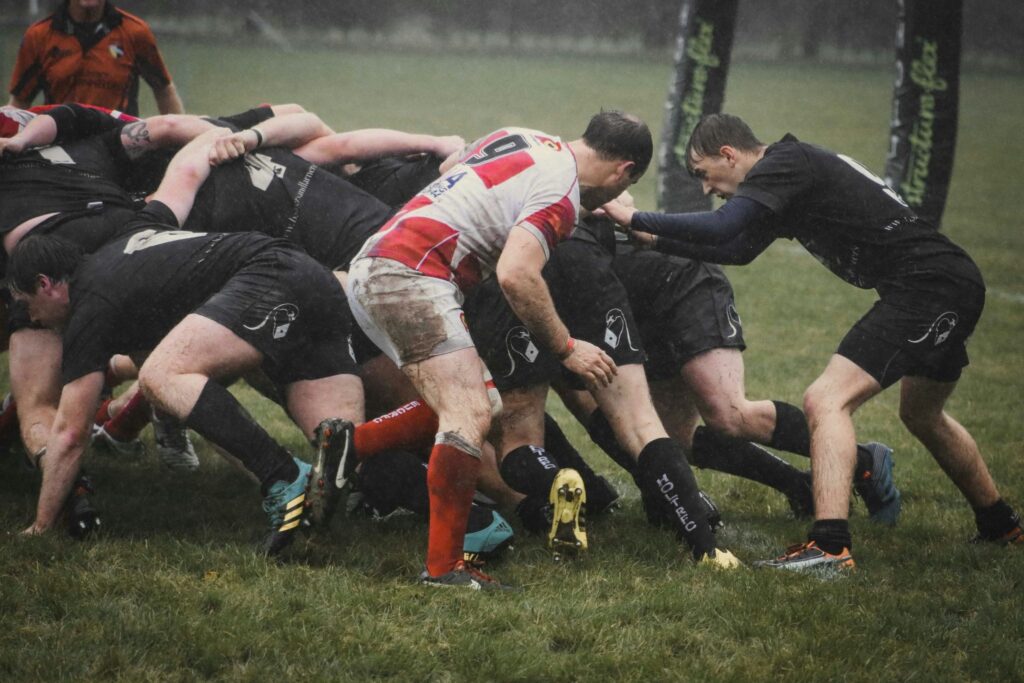
Slightly less niche, Rugby is one of the most popular sports in the UK and Ireland, with a long history and passionate supporters. In countries such as England, Scotland, Wales, and Ireland, rugby is played at both amateur and professional levels, bringing communities together through local clubs and international competitions. You can experience major annual tournaments like the Six Nations Championship that attract millions of viewers each year, or simply take in a local game with a pint.
Football

Whilst possibly the best-known sport in the world, Football gets an honourable mention, as England is the country where the modern game originated. Whilst kicking a ball is as ancient a hobby as they come, football in the modern sense of the game was developed in England in the 1800s. England regularly plays in the World Cup, but for us here in Scotland, this year (2026) will be the first time Scotland has qualified since 1998. We can’t wait to see the Tartan Army descend on Boston and Miami next month. As well as the big teams, football is played by almost every town in the UK and Ireland. You can watch anything from amateurs tackling each other in muddy pitches to some of the world’s best football on your trip.
On your next Away from the Ordinary adventure, consider taking the time to watch local sports in the area you are visiting. It is a great way to enjoy the culture and share a sense of camaraderie with the locals. With Scotland hosting the Commonwealth Games this year, as well as the many wonderful sports mentioned above, now is a perfect time to book your trip to the UK and Ireland to sample some local sporting competition.
Read more like this:
Away from the Ordinary Ltd.
Summit House
4 - 5 Mitchell Street
Edinburgh
EH6 7BD
Terms and Conditions